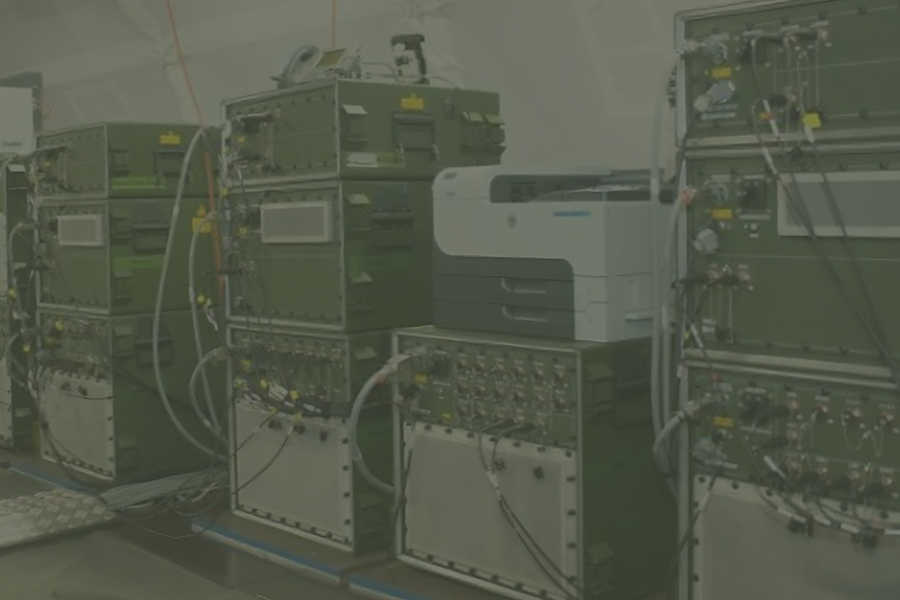

Electromagnetic Interference (EMI) and Electromagnetic Compatibility (EMC) are essential considerations in modern electronics design. As circuits become faster, smaller, and more densely packed, the risk of interference between components and systems increases dramatically. Due to the unpredictable nature of environmental electromagnetic conditions, having effective shielding capabilities in place limits threats and safeguards critical electronics in harsh environments.
Understanding how EMI is generated and why EMC design is critical for selecting the right materials and enclosure solutions helps ensure reliable shielding performance in demanding electromagnetic environments.

What Is EMI?
Electromagnetic Interference (EMI) is the disruption of electronic device performance caused by unwanted electromagnetic energy or noise. EMI can originate from internal components, nearby electronic equipment, or environmental sources such as electrical storms, and can significantly affect critical electronics by degrading signals, corrupting data, and interfering with normal system operation. As electronic systems become more complex and interconnected, managing EMI is essential to ensuring reliable, safe, and efficient operation.
What Is EMC?
Protecting equipment from EMI is essential for maintaining reliable operation and preventing costly disruptions. Electromagnetic compatibility (EMC) ensures that electronic devices can operate effectively in their intended environments without causing or being affected by EMI. It is a critical consideration in design, testing, and compliance to guarantee reliability, safety, and regulatory approval for electronic systems.
EMC plays a critical role in the development, deployment, and operation of electronic systems. Proper EMC design enables operational reliability, protects sensitive systems, and ensures equipment can perform in harsh electromagnetic environments. While EMC focuses on ensuring electronic systems can operate without interference, electromagnetic shielding provides the physical protection needed to prevent EMI from disrupting critical equipment.
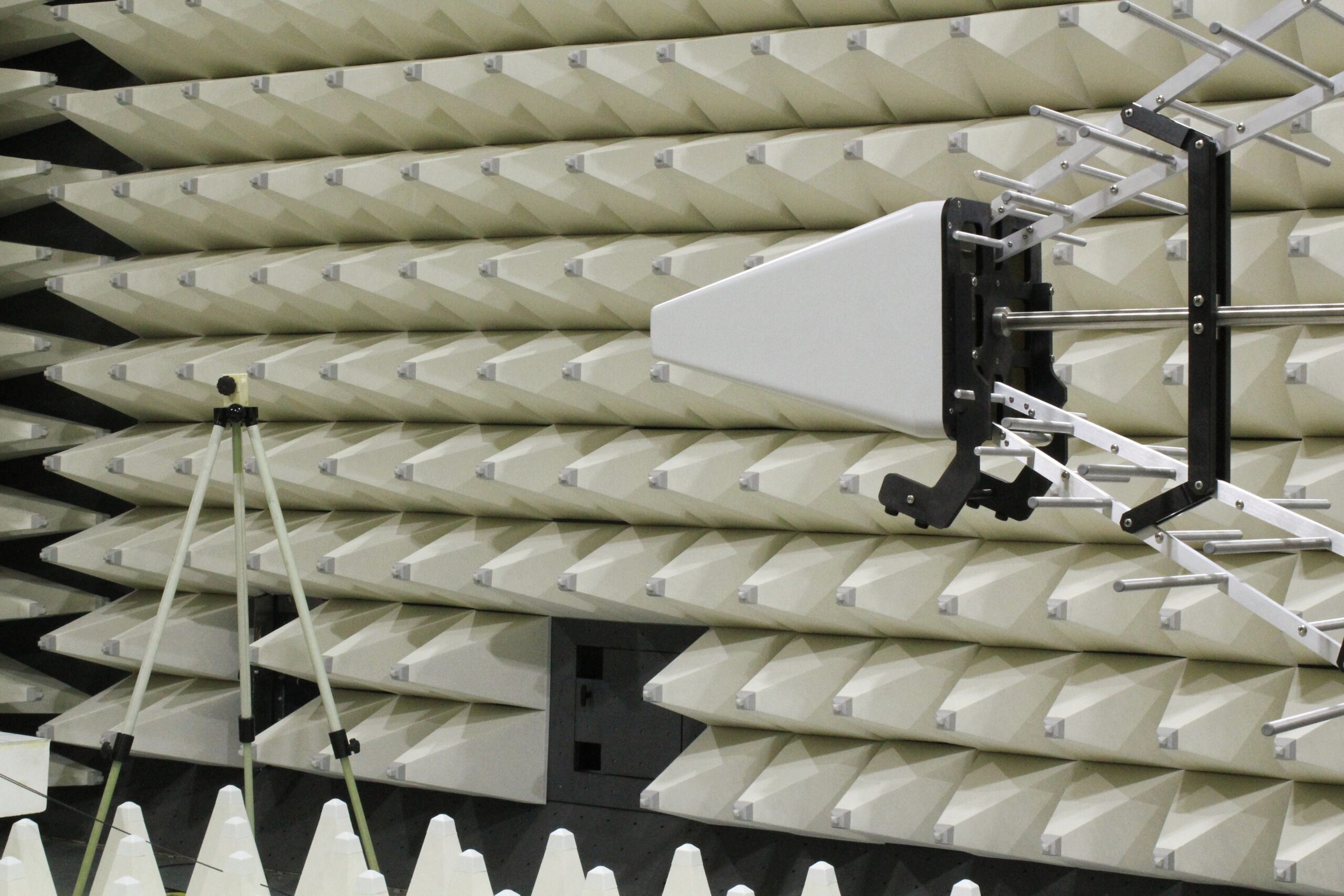
What is Electromagnetic Shielding and Why it Matters
Electromagnetic shielding prevents EMI and ensures EMC by acting as a conductive barrier. EMI shielding plays a critical role in aerospace and defense systems by protecting sensitive electronic components. Devices are no longer isolated; they coexist in complex networks surrounded by countless other signals. Without adequate shielding, these signals can interfere with one another, creating errors that affect both performance and safety. In high-performance applications maintaining signal integrity is essential for accurate, secure, and reliable data transmission.
The principles of electromagnetic shielding are based on the properties of radio waves and how they interact with matter. The goal of electromagnetic shielding is to create a barrier that prevents radio waves from penetrating or interfering with a particular space or device.
Electromagnetic shields protect electronic equipment through two fundamental processes:
- Absorption: occurs as the EM wave penetrates the secondary medium and its energy is dissipated as head/induced currents within that medium/material. This technology is commonly used to shield high frequencies and can be implemented using materials with high conductivity, such as copper or aluminum.
- Reflection: the process by which the EM waves bounce off a surface and change direction within the same medium due to impedance contrast. This shielding mechanism is most effective with highly conductive materials such as copper and aluminum and generally more effective at lower frequencies.
Effective shielding enhances overall system durability by protecting components from electromagnetic disturbances, extending operational life and reliability in harsh conditions, including extreme temperatures, vibration, and high-altitude environments.
Material Used for Electromagnetic Shielding
Material choice matters as different frequencies require different solutions. Several techniques and materials can be used for EMI shielding, and the materials used depend on the type of electronics and frequencies involved.
- Aluminum: lightweight and cost-effective, has a high strength-to-weight ratio, making it very durable and easy to form, making it ideal for defense and aerospace.
- Copper: an ideal metal for EMI shielding due to its versatility. Copper’s high conductivity is due to its abundance of mobile electrons, which oscillate in response to incident electromagnetic waves. This movement generates opposing electromagnetic fields that reflect and attenuate external EMI, enhancing shielding effectiveness.
- Steel: generally offers two shielding advantages: carbon and ferritic grades are magnetic, blocking low-frequency interference, while corrosion-resistant grades (such as 304 & 316) shield through conductivity, making steel a durable, adaptable enclosure material suitable for this kind of application.
- Nickel: often applied to other surfaces as a coating to function as an additional layer of shielding against EMI. This material is commonly used when a solid metal shield is impractical or impossible to fit to a device as it is more effective in lower frequency applications. Nickel isn’t recommended for environments with higher frequency EMI.
HEMP & MIL-STD-188-125
While traditional EMC ensures that daily electronic systems do not interfere with each other, High-Altitude Electromagnetic Pulse (HEMP) protection applies those same fundamental engineering principles on a massive, military-grade scale to prevent complete infrastructure collapse. HEMP effects span a broad frequency range and can disrupt critical military, communications, and power systems. They can induce damaging electrical currents in power grids and communication lines, potentially damaging electronics, control systems, and transformers. As a result, HEMP protection is essential for maintaining infrastructure reliability and system survivability.
To address these extreme electromagnetic threats and establish standardized protection requirements for critical military facilities, the U.S. Department of Defense developed MIL-STD-188-125.
MIL-STD-188-125 addresses much higher-energy electromagnetic threats associated with HEMP events. As a result, facilities designed to this standard require significantly more robust shielding and testing to ensure critical systems remain functional during extreme electromagnetic conditions.
For aerospace, defense, and critical infrastructure applications, MIL-STD-188-125 serves as a benchmark for ensuring survivability against HEMP threats, with EMI shielding forming a foundational element of the overall protection strategy.
DESAPRO’s Shielding Capabilities
Ensuring equipment can withstand exposure to demanding operational environments is paramount in defense applications. DESAPRO provides configurable shielded enclosure solutions designed to integrate seamlessly with sensitive electronics and system-level EMC architecture.
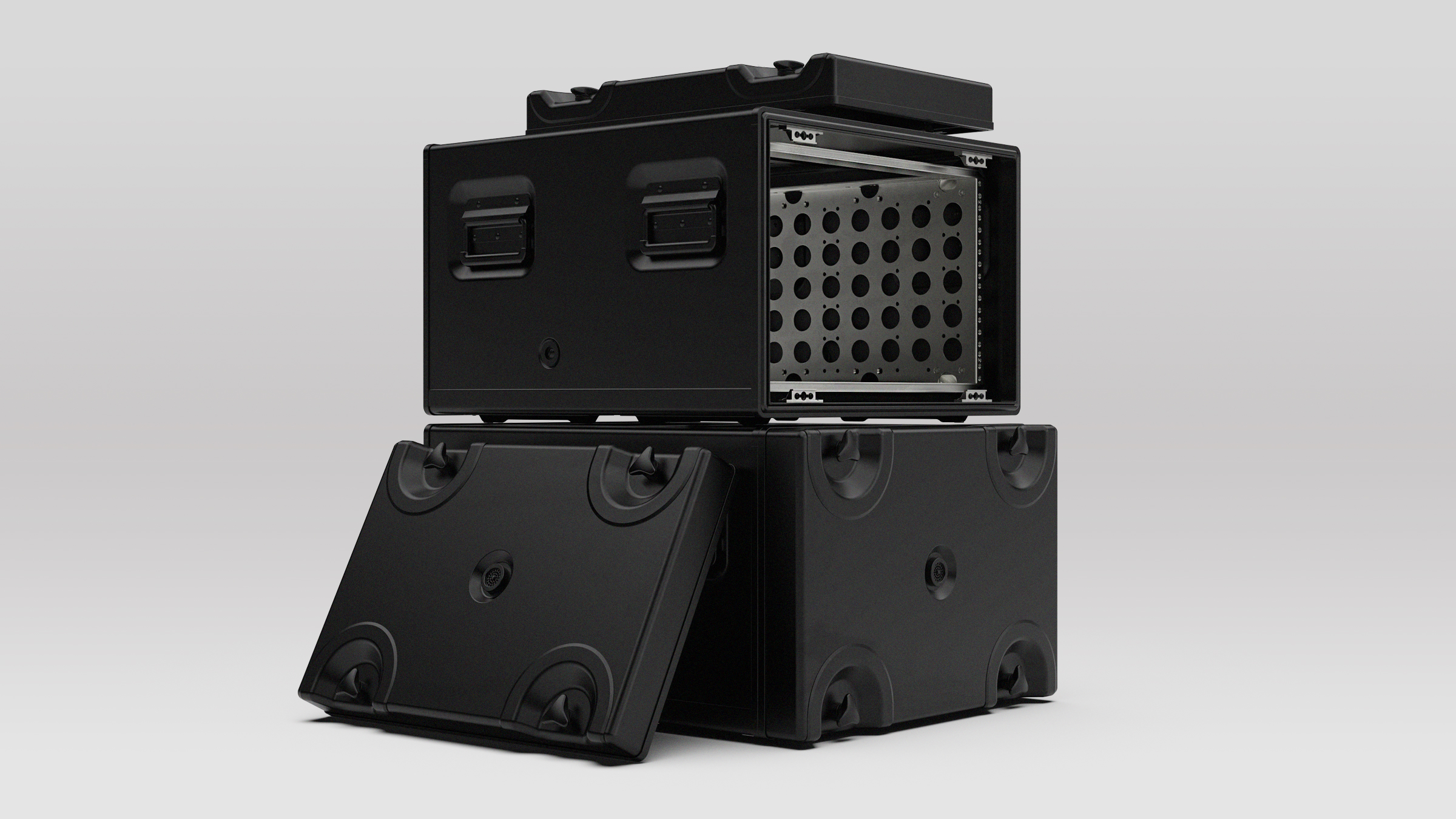
The DESAPRO MILEX shielded cases support EMI and EMC protection through a combination of conductive aluminum construction, electrical grounding, sealed enclosure design, and high-frequency shielding features. Together, these features help shield sensitive electronics from electromagnetic disturbances, preserve signal integrity, and support compliance with military EMC requirements in demanding aerospace and defense environments.
Applications best suited for EMI-protected solutions like the MILEX Shielded Cases include:
- Tactical communications systems
- Deployable command and control systems
- Electronic warfare systems
- Intelligence, surveillance, and reconnaissance (ISR) payloads
- Secure computing equipment
- Aerospace and avionics electronics
Protecting What Matters
As technology continues to advance, the importance of electromagnetic shielding will only grow. From protecting sensitive aerospace and defense electronics to supporting compliance with stringent standards such as MIL-STD-188-125, shielding solutions play a critical role in safeguarding equipment from electromagnetic threats. By combining the right materials, enclosure design, and shielding technologies, organizations can enhance system resilience, maintain signal integrity, and ensure dependable operation in even the most demanding environments. DESAPRO’s shielded enclosure solutions are designed to meet these challenges, providing the protection required for today’s complex defense and aerospace applications.